
Insights
The models and research below show how we approach a problem: understand the system first, and then decide what would improve it. Each worked example sets out the question, the model or evidence built to answer it, the assumptions behind it and where its limits are.
Further down are our articles on how complex work is commissioned, governed and delivered, written by John Lohan and the Synaform team and grouped by theme.

Illustrative models
Four models that show how we go about modelling: follow the work through the whole system and find where it binds.
Airports, optimised as a system
One peak hour at an illustrative two-runway hub, followed through six stages from airspace to the kerb. Move a lever to see which stage binds and who gains or loses.
See the worked example →
Ports, configured by demand
Vessel calls and cargo flow through to berth, landside space and capital and operating cost, recalculated as each input changes.
See the worked example →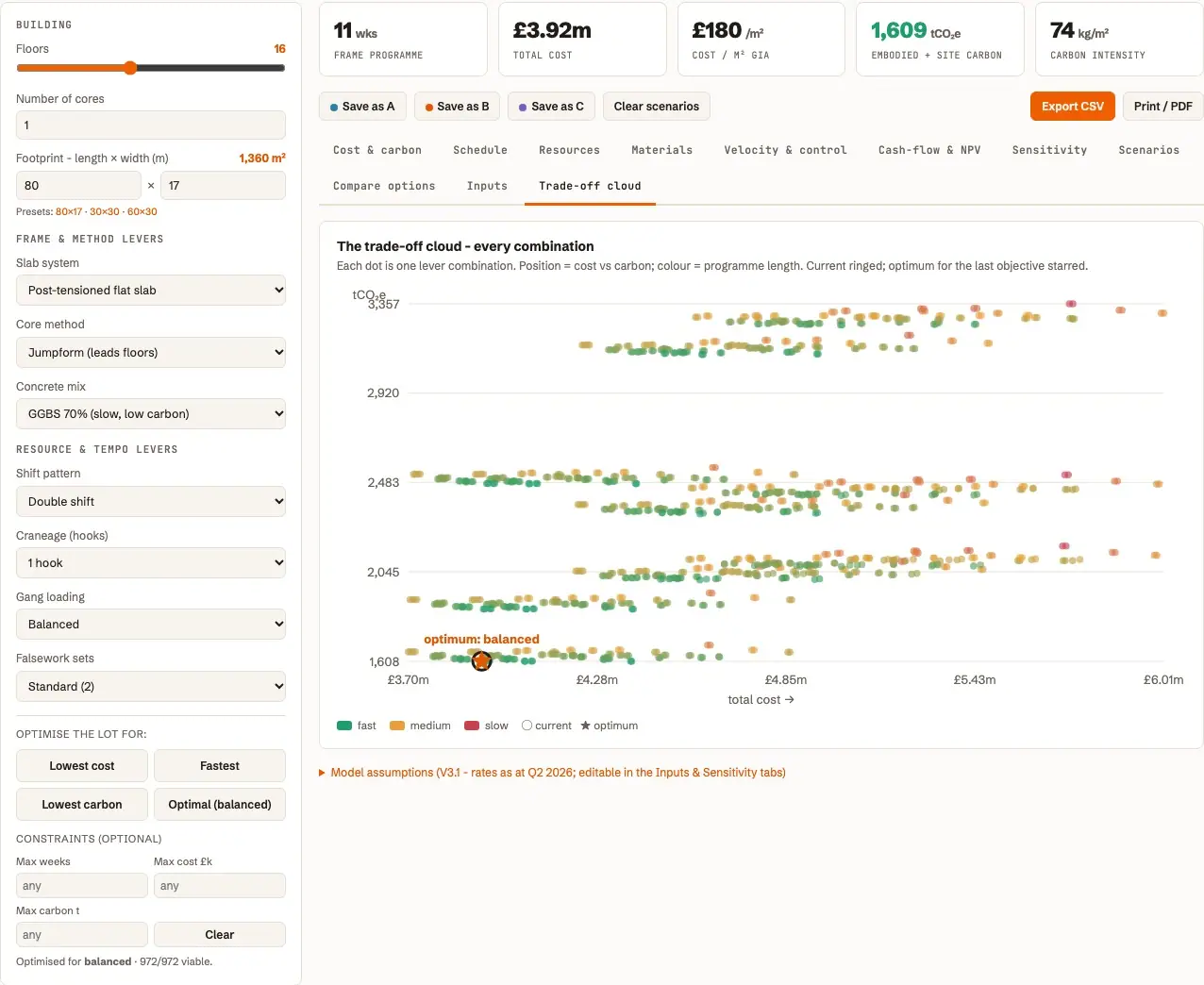
Concrete frames, optimised
972 combinations of slab, core, mix, shifts, cranes, gangs and falsework compared on cost, time, carbon and cash.
See the model →Built independently, schemes peak together. Sequenced, the peak is lower and better used.
Reservoirs, sequenced as a programme
A programme of large storage reservoirs rebuilt from published documents, to find what sets the pace and how sequencing changes it.
See the model →Research from the public record
Three pieces of research that build a picture from what is already published, and then apply it to specific questions.

PFI handbacks, de-risked
A national catalogue of 720 PFI projects, and four contracts rebuilt from the public record to show what an authority gets back at expiry. Developed in collaboration with A7Consult Limited.
See the worked example →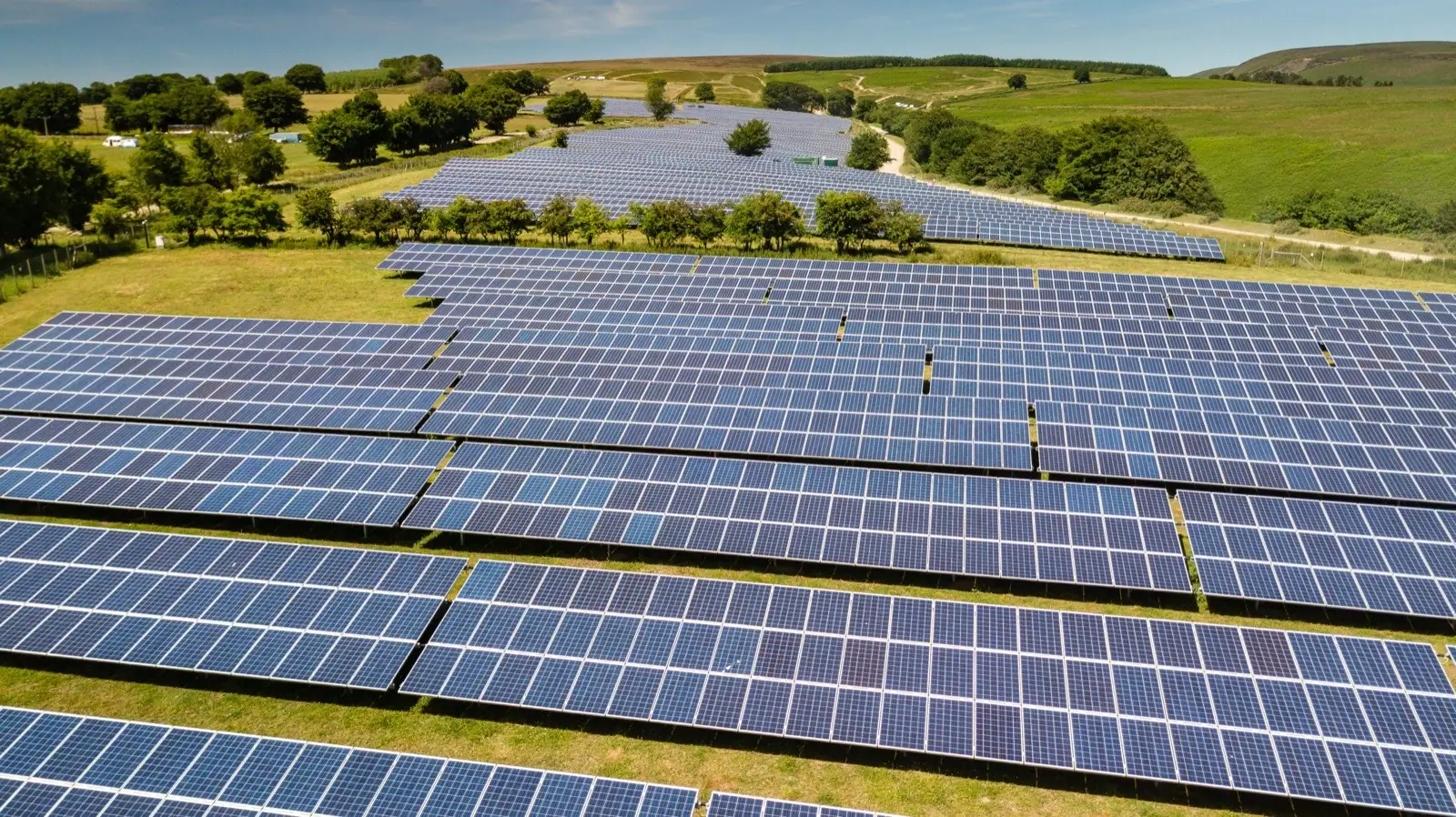
Consenting at speed
What the July 2026 reforms changed at the front end of the DCO regime, checked against primary law and read against 154,723 published DCO documents.
See the worked example →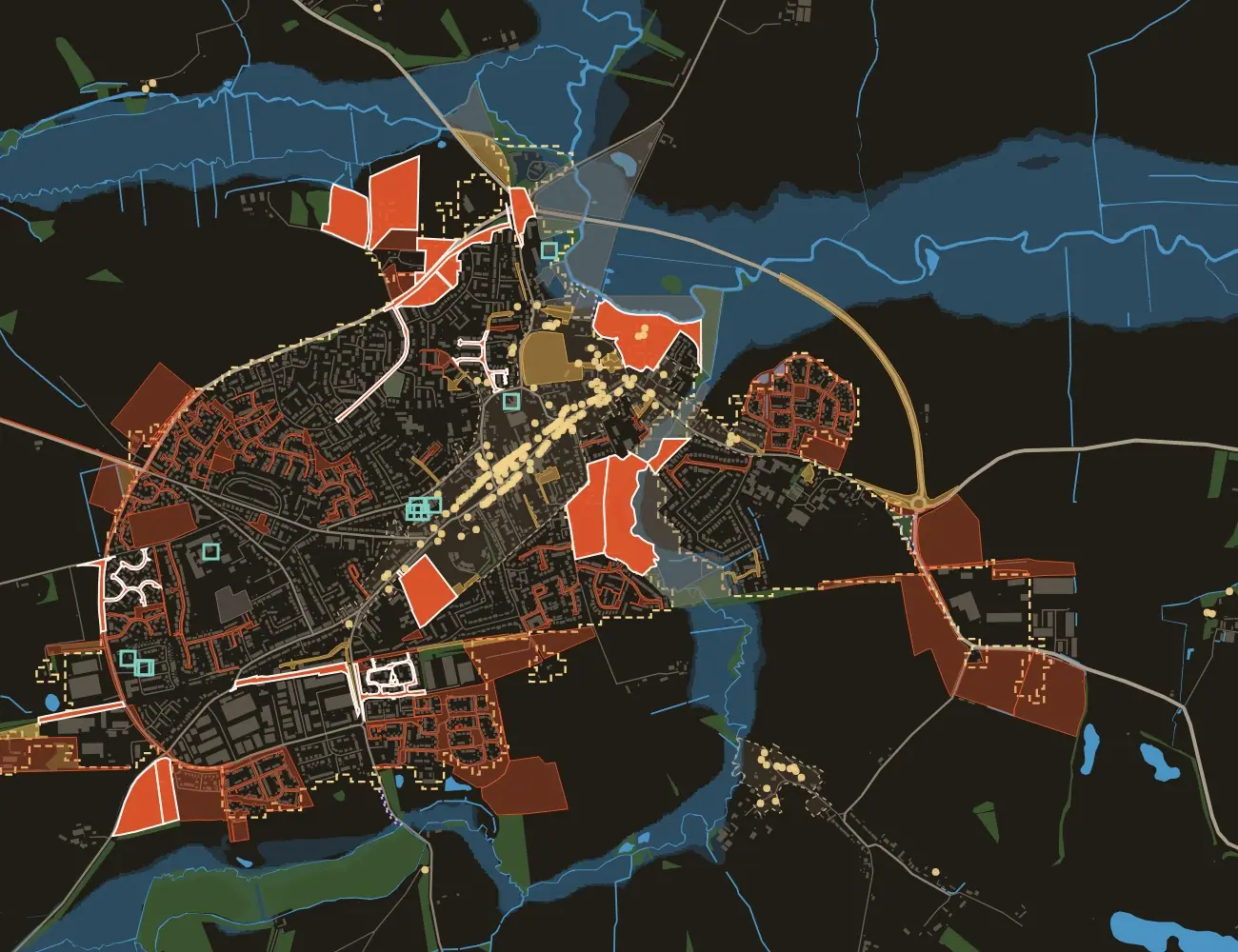
Land that fits the brief
Every parcel of land screened against a brief, from homes on a town edge to wind turbines or a small modular reactor.
See the research →Systems and complexity
How information, knowledge and decisions connect across a system.
Change the question and the same dataset moves from excellent to useless without a single value changing.
There Is No Such Thing as Good Data
"The data isn't good enough" is usually the wrong sentence. Good is a fit to a purpose, and naming the purpose tells you which bar the data has to clear and whether waiting for better data is worth it.
Read the article →Strategy and performance
The choices made early that decide how well work performs later.
Technology and AI
Where new technology helps, and what still rests with people.
Organisations and delivery
How governance, operating models and early involvement shape what gets delivered.
The built environment
How the industry contracts, buys advice and organises itself.
Get in touch
If one of these models or articles describes a problem you recognise, we would be glad to discuss it.
Start a conversation