
Asset owners and operators
An owner holds an asset for decades, far longer than any team that designs, builds or maintains it, and takes investment decisions about it every year. What the owner knows has to outlast all of those teams.
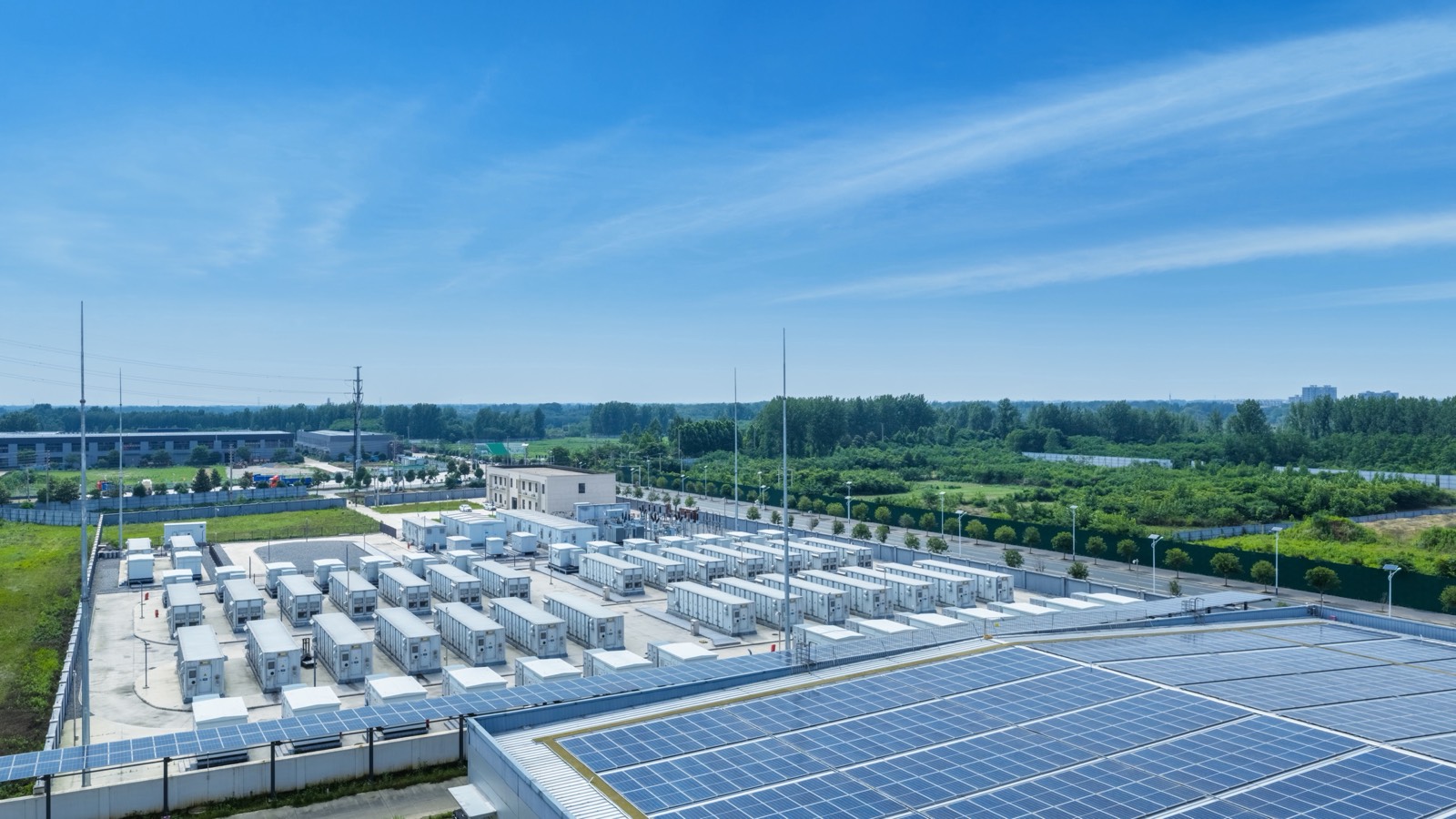
Running an asset is a long series of investment decisions
An owner decides, year after year, where to spend on maintenance and renewal, what to replace and when, and which risks the operation can carry. Those decisions rest on how the asset is performing now and how it is likely to perform over the rest of its life.
- Long-term performance
- How the asset is performing, and how that is likely to change
- Investment choices
- What to renew, replace or defer, and in what order
- Information quality
- What is verified, what is assumed, and what is missing
- Operational resilience
- Which duties, dependencies and handovers the service relies on
Knowledge leaves with the teams that hold it
Most owners rarely build their own assets; they bring in teams to deliver them, and the reasoning behind each decision tends to leave with those teams.
The information needed to run the asset usually exists somewhere, spread across finance, schedules, contracts and documents. The difficulty is that it is rarely held in a form anyone can rely on for a decision. The gap shows most when something changes hands: a new programme starts, a contractor leaves, or a long contract comes to an end.
How we help
We start with the operating decisions an owner takes every year, and then help to keep what the owner knows about the asset in its own hands.
See how this applies to water, energy networks and health estates
Keeping the knowledge with the owner
For contracts nearing expiry, PFI handback readiness brings these together against the handback timetable. On live programmes, capital programme control maps each role, duty and gate so each sign-off has a named owner, and process and organisational improvement looks at how the work is actually carried out rather than only how it is written down.
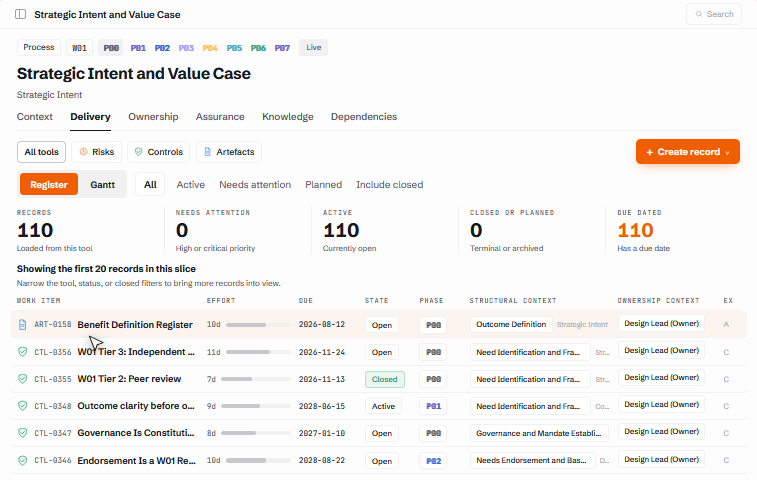
Worked examples and insights
Questions
We didn't build the asset and the records are incomplete. Where do we start?
With what is already published. Planning files, energy certificates, committee papers, released contracts and national LiDAR give a useful baseline before anyone is asked for anything. It will not answer every question, but it shows which to ask first and which answers to check. Each item carries an evidence level, from public baseline up to verified on site, so you can see what is tested and what is still assumed.
We hold Building Safety Act duties. Can Project:OS help?
It maps duties role by role, including the Building Safety Act Accountable Person and Principal Accountable Person, so each duty and sign-off has a named owner. It assembles the evidence each gate needs against set criteria, so you can see what is still missing. It supports your duty-holder arrangements. It is not an independent assurance review and does not replace one.
Does a 3D model replace a condition survey?
No. It makes the survey go further. We build the model from the records, with each element tagged by how it is known, so the survey can be scoped against a known component list. The survey then verifies condition on site, and its findings are recorded against the same components, so each item moves from assumed to verified.
Do we have to replace the systems we already run?
No. Process work can run in Project:OS or be deployed into your own systems, and either way we link each step to the evidence it should produce. Your information stays where it is.
Talk to us about an asset
The contract and the records you already hold are a good place to start.
Start a conversation